Augment vs. Automate: How to Decide What AI Should Handle
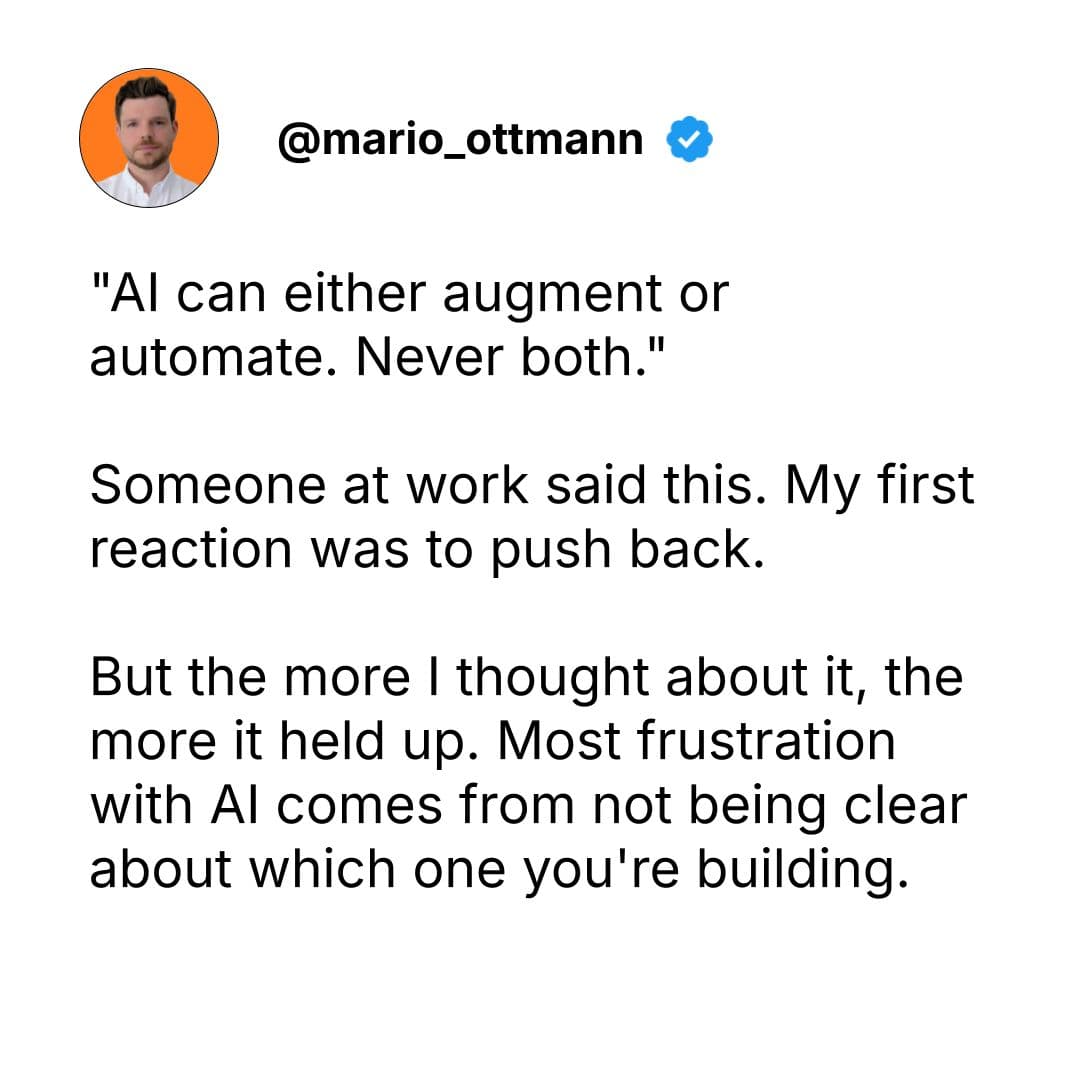
Most AI frustration comes from one missed decision: is this task augmentation or automation? Here's a framework to get it right every time.
Practical guides and deep dives on AI tools, workflows, and what's actually changing.

Most AI frustration comes from one missed decision: is this task augmentation or automation? Here's a framework to get it right every time.

Most AI agents work in demos. Few survive production. Here's what separates a prototype from a reliable system.

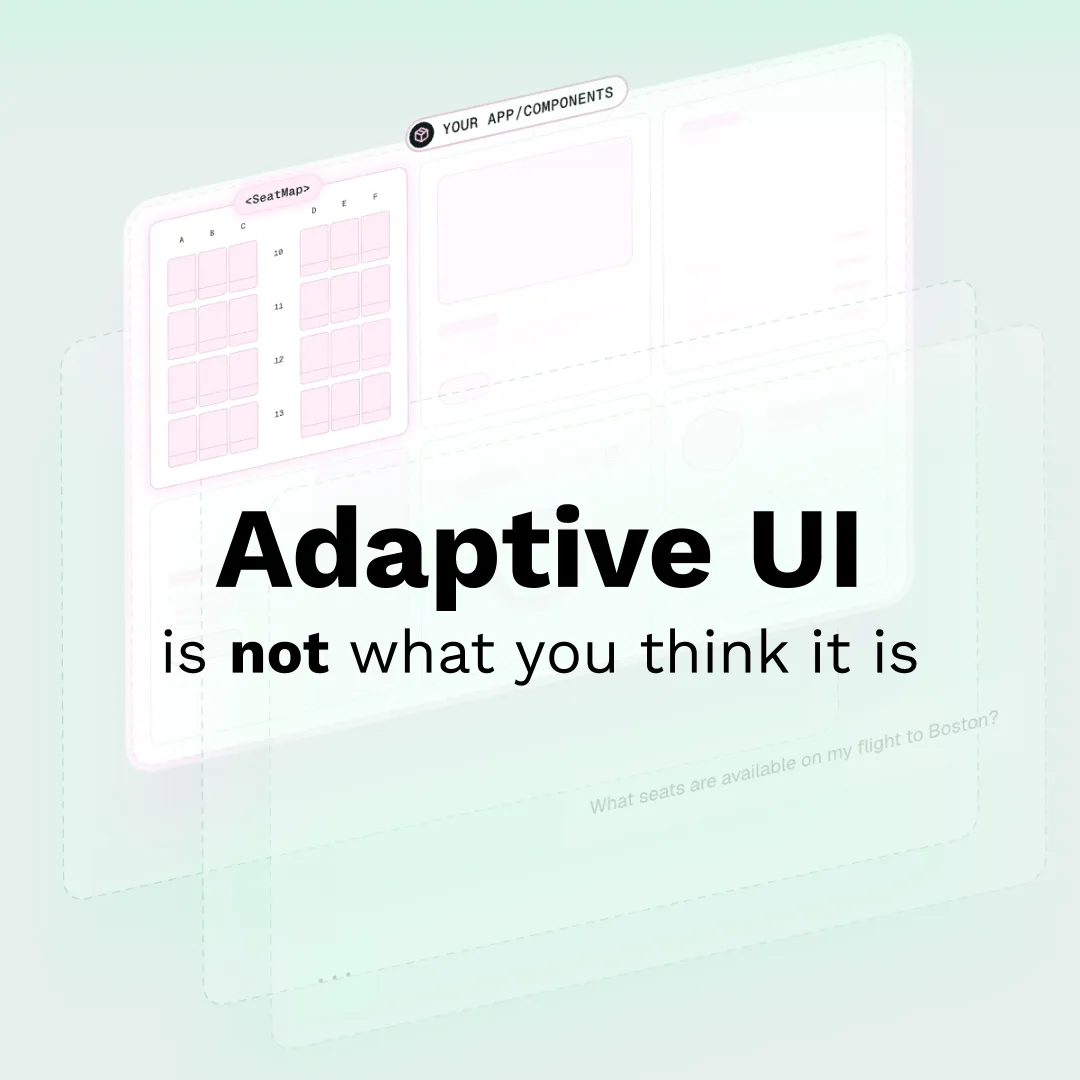
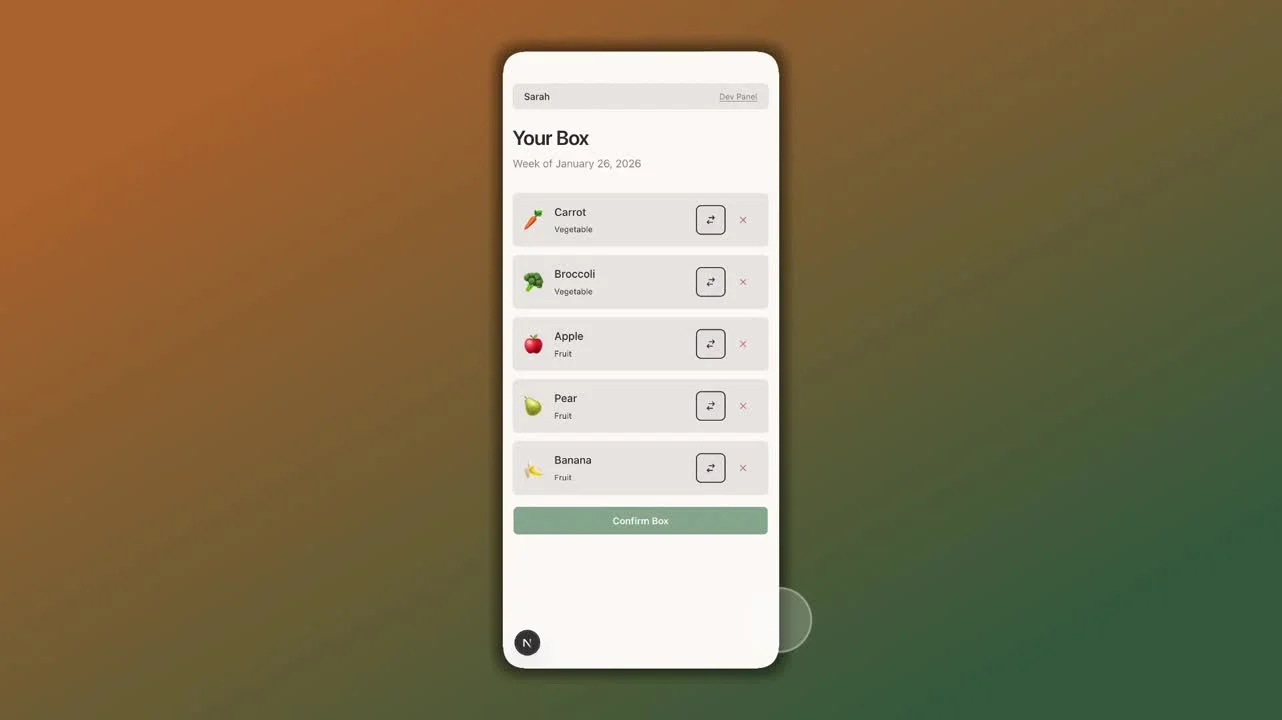
Agents can orchestrate complex workflows but still present results as chat bubbles. Adaptive UI — from predefined components to generative interfaces to cross-platform protocols — is the missing layer.

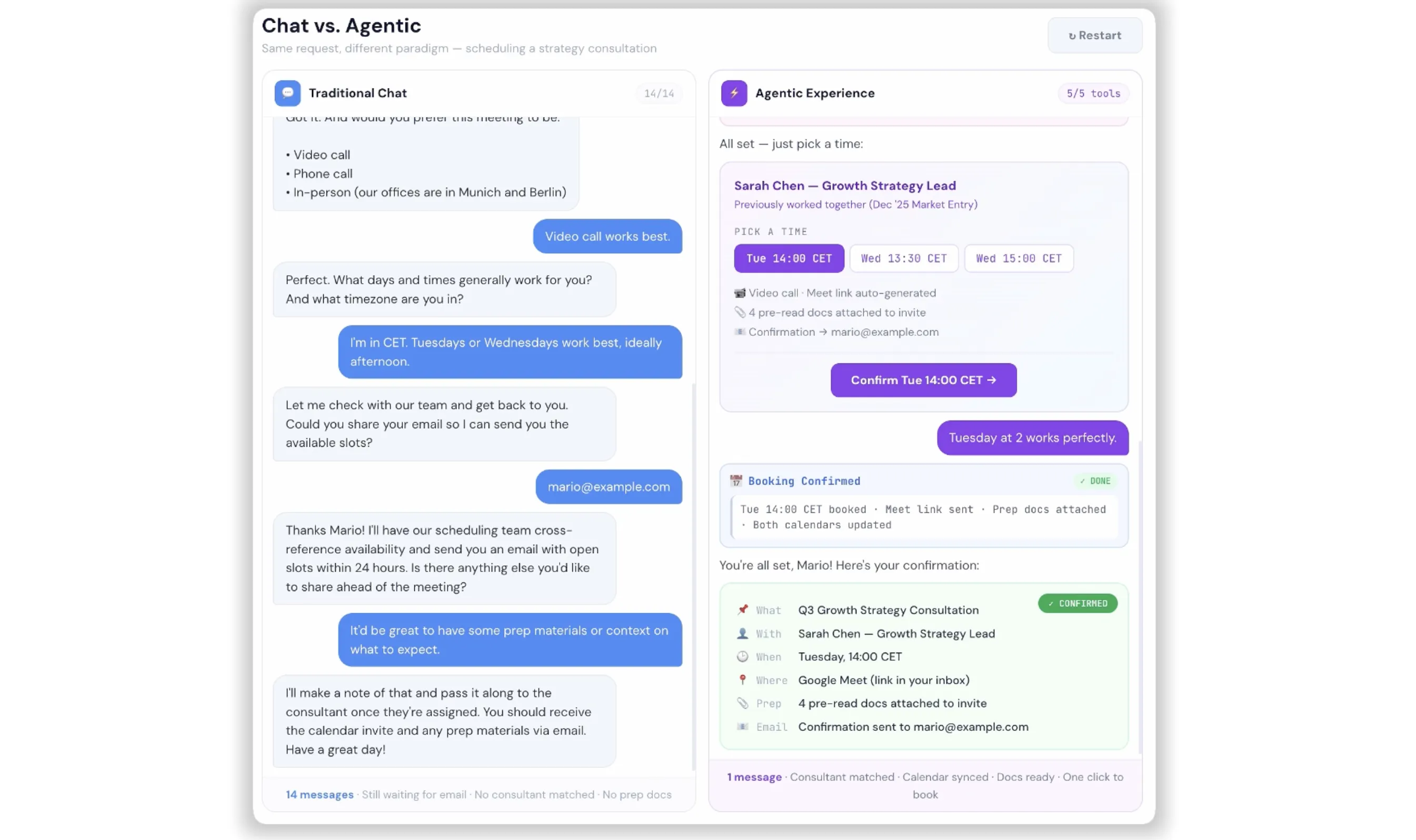
Chat was the right default for 2023. It won't be for 2026. Here's the architectural and UX case for why agentic AI systems are replacing chat wrappers, and what that means for companies building AI products today.

Four critical lessons learned from a solo hackathon run where everything went wrong—and how to avoid making the same mistakes next time.

Traditional adaptive UIs rely on predetermined rules and developer assumptions. Discover why AI-generated interfaces represent a fundamental paradigm shift in how we think about user experience design.

Why investing your first hours in demonstration infrastructure instead of product features leads to faster iteration, better testing, and stronger hackathon outcomes.

Everything you need to know about preparing for, competing in, and winning AI hackathons in 2026—from technical preparation to team strategy and presentation tactics.

From rare earth recycling to AI-powered mobility aids, discover the innovative mindset driving Hamburg's next generation of startup founders and what separates impactful ideas from the rest.

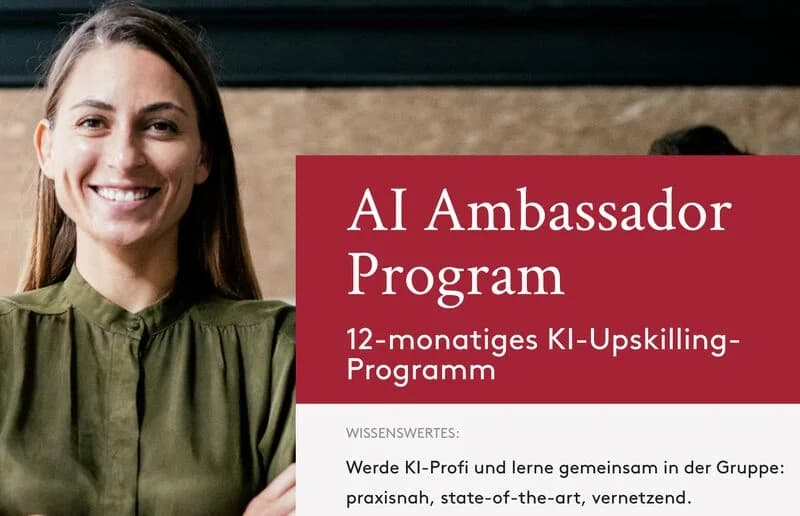
Despite AI dominating 2025, only one-fifth of working professionals have received proper AI training. Here's how structured AI education programs are bridging the corporate skills gap.

How AI-powered photo restoration and colorization technology transforms faded family memories into vibrant, animated keepsakes that reconnect generations with their heritage.

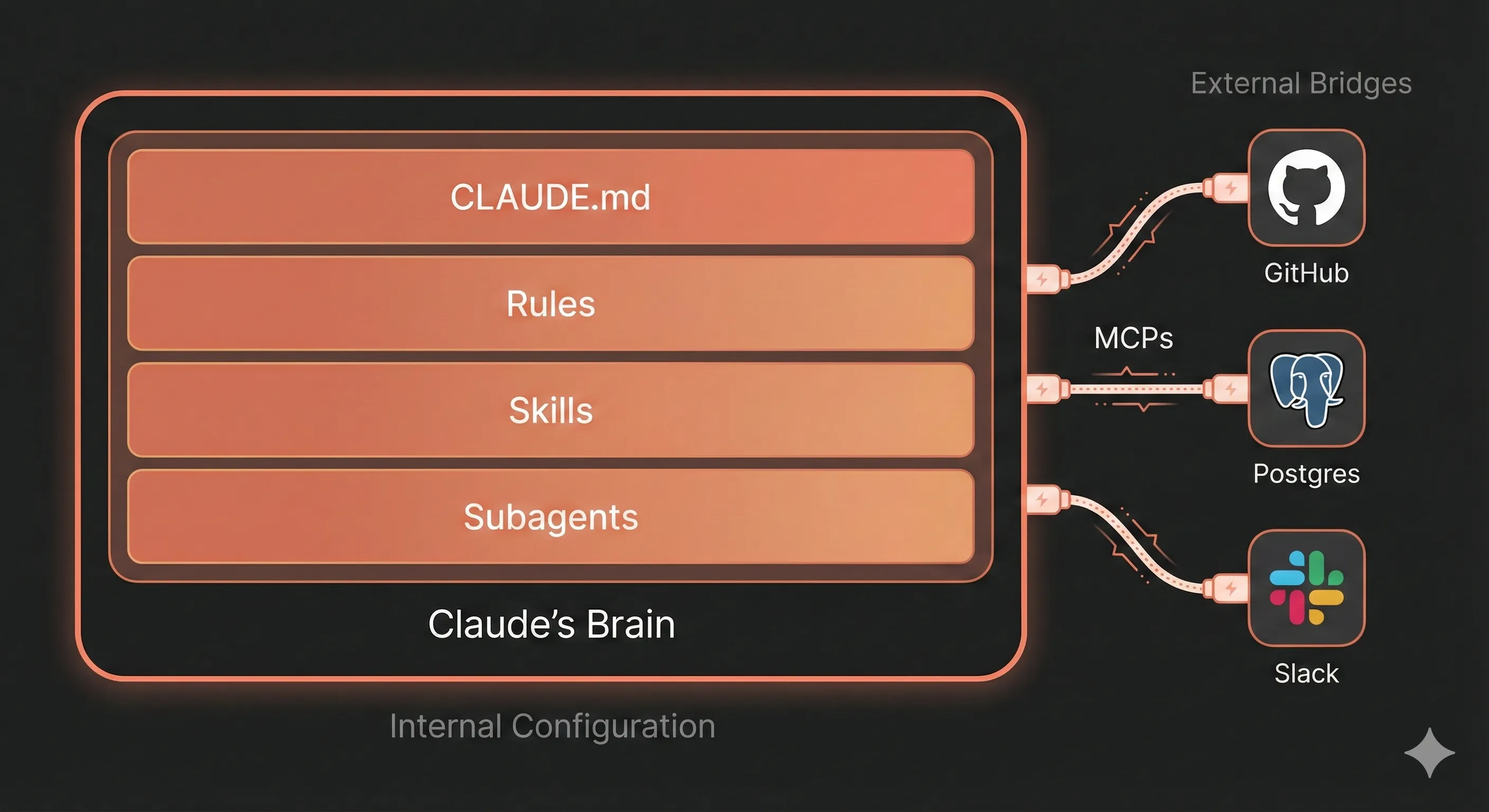
A practical guide to Claude Code's four customization layers. Learn when to use rules for persistent context, skills for repeatable workflows, subagents for complex autonomous tasks, and MCPs for external integrations.

Learn why distinctive design systems matter and how to create visually unique applications that stand out from the crowd of identical-looking products.

As AI coding tools commoditize development, thoughtful design becomes the critical differentiator between generic products and market leaders.

TypeScript AI frameworks are challenging Python's dominance as developers prioritize unified tech stacks. Discover why frameworks like Mastra are gaining traction and how to choose the right SDK for your AI applications.

AI-powered development platforms promise rapid prototyping, but hidden vendor lock-in and opaque pricing can trap your project. Learn how to evaluate platforms like Lovable, v0.dev, and others using a systematic framework that protects your flexibility while maintaining development speed.

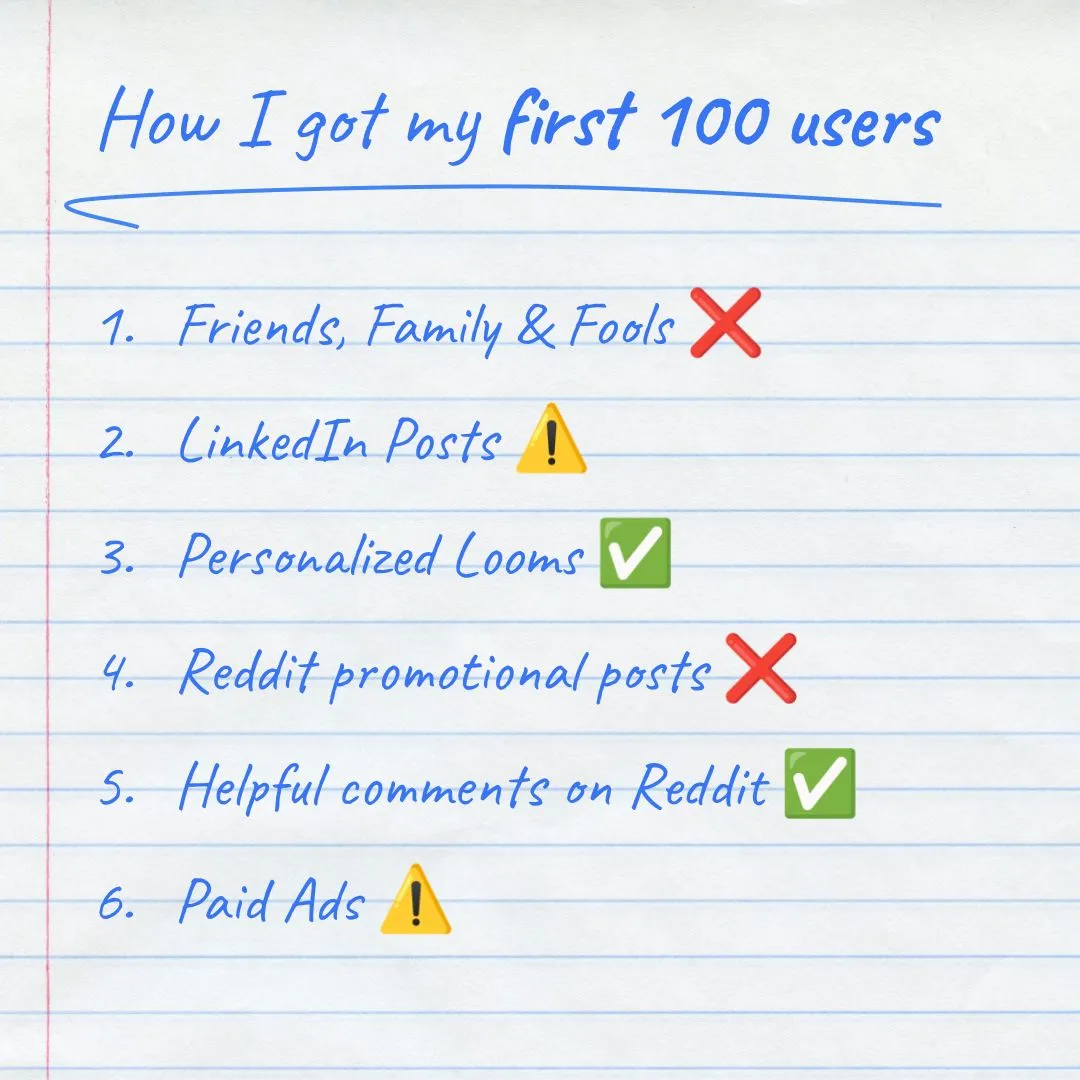
Discover 6 user acquisition strategies tested in the real world. Learn which tactics worked, which failed, and how Vibe Coding methodology accelerates early-stage growth for indie hackers and startup founders.

Learn the exact two-file design system that transforms Claude Code from producing plain websites to creating beautiful, Lovable-quality designs. Includes specific configuration requirements and styling principles.

I built a fully functional SaaS product in 25 days with just €175 using Lovable. The speed was incredible, but the React architecture without proper server-side rendering created critical limitations. Here's what I learned about choosing the right tech stack for Vibe Coding projects.